
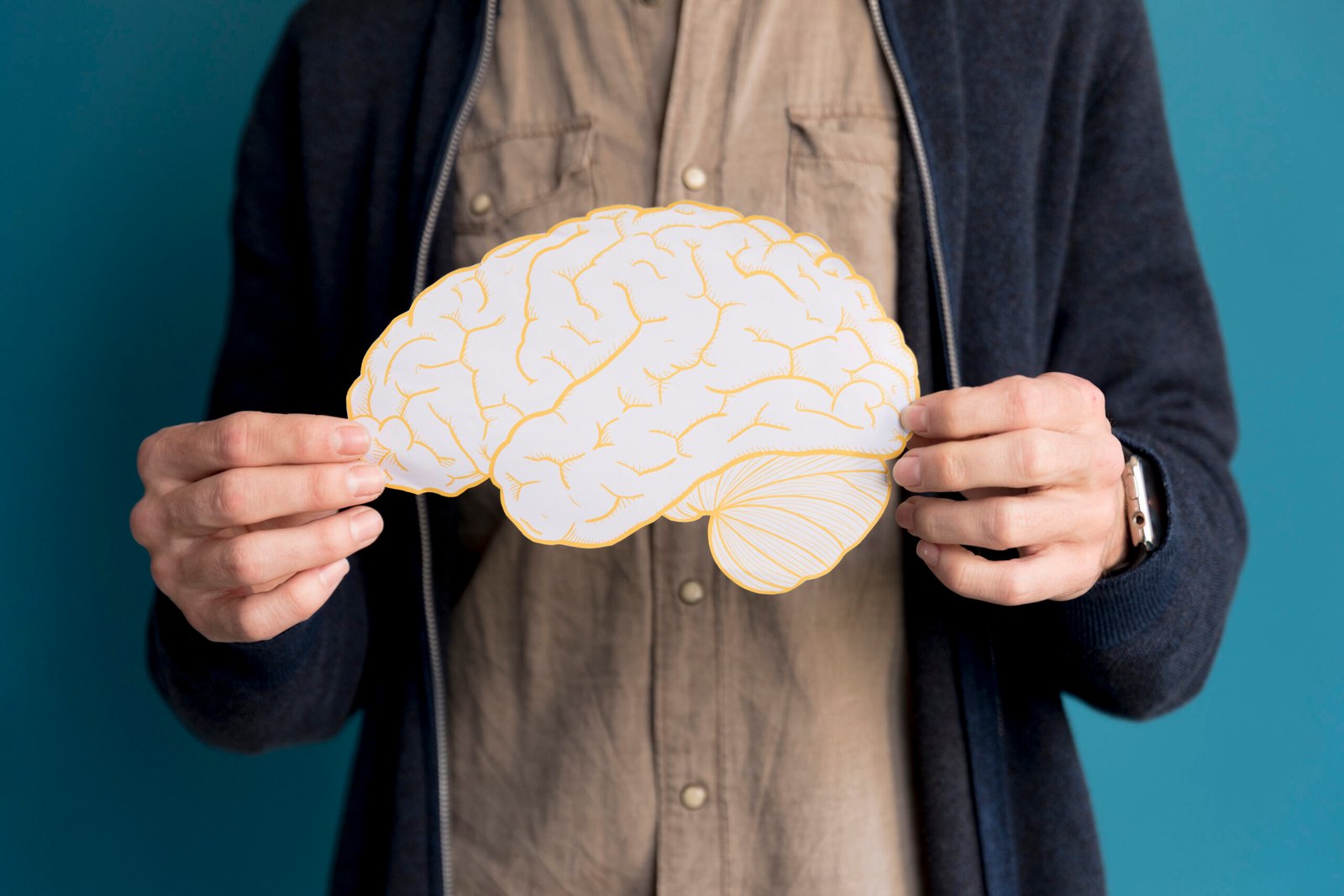
Marketing is often described as a battlefield of strategies, metrics, and technologies. Yet, behind every click, share, or purchase, there is a subtle, invisible force shaping decisions: the human mind.
Consumer psychology—the study of how people think, feel, and act—has always been the secret engine of marketing success. And unlike platforms or tools, the principles of human behavior endure, making them timeless.
I remember analyzing a campaign early in my career. On paper, the ads were perfect: vibrant visuals, catchy headlines, precise targeting. Yet engagement was disappointing.
Curious, I dug deeper, and what I found was a simple truth: the message didn’t resonate with the audience’s needs, fears, or desires. We were marketing to “users,” not to humans. That lesson has stayed with me: digital marketing without psychology is noise.
Understanding Motivation and Desire
At the heart of every marketing decision is motivation. Why does someone click on an ad? Why do they subscribe to a newsletter or abandon a shopping cart?
Understanding intrinsic desires—status, security, curiosity, belonging—enables marketers to craft messages that feel personal and relevant.
For instance, a luxury brand isn’t just selling handbags; it’s selling confidence, recognition, and identity.
A SaaS tool isn’t merely software; it’s efficiency, peace of mind, and mastery over chaos. The more we frame products and services through the lens of human motivation, the more enduring the connection becomes.
Emotions Drive Action
Numbers, demographics, and analytics are critical, but emotions are what ultimately drive decisions. A person may logically know they don’t need another app or subscription service, yet a compelling emotional narrative can motivate engagement.
Consider a campaign I helped develop for a wellness app. Instead of emphasizing technical features—tracking steps or calories—we shared stories of users overcoming anxiety, achieving mindfulness, and reclaiming control over their lives.
Engagement skyrocketed. Why? Because emotional resonance trumps technical detail, and emotions are timeless.
Cognitive Biases in Digital Marketing
Understanding consumer psychology also means acknowledging cognitive biases, the shortcuts our brains take when making decisions. Scarcity, social proof, reciprocity, and loss aversion are not tricks—they are reflections of human nature.
For example, social proof—the tendency to follow others—remains powerful across centuries. Even if the platform changes from Instagram to something entirely new in 2126, the human inclination to seek guidance from peers will persist.
Marketing that aligns with these inherent tendencies isn’t exploiting; it’s understanding and serving the audience in ways that feel natural.
Storytelling Meets Psychology
Psychology and storytelling are inseparable in timeless marketing. A story that evokes curiosity, fear, joy, or nostalgia aligns perfectly with the audience’s cognitive and emotional frameworks.
Think of a brand that shares a founder’s journey, the obstacles they faced, and the triumphs they achieved. This narrative does more than inform—it aligns with psychological principles of engagement, empathy, and memory.
The result is enduring impact. Readers remember the story, connect with the characters (even if they are a brand or product), and share it with others. The tactics—videos, emails, or social posts—may fade, but the psychological resonance remains.
Case Study: Timeless Consumer Understanding
A small education platform I consulted for wanted to increase enrollment. Instead of bombarding audiences with features, we dug into the students’ mindset: aspirations, anxieties, and dreams. We told stories of past students overcoming challenges and achieving goals through the program.
The campaign didn’t rely on flashy design or trending hashtags; it relied on psychology-informed storytelling. The result: long-term engagement, trust, and a loyal community. The numbers grew steadily, but the lessons were deeper—human understanding lasts longer than algorithms.
Practical Lessons for Timeless Digital Marketing
- Know Your Audience’s Mind: Beyond demographics, understand desires, fears, and motivations.
- Prioritize Emotion Over Features: People act on feelings, not specifications.
- Leverage Cognitive Principles: Recognize patterns in human decision-making to create authentic guidance.
- Combine Psychology and Storytelling: Narratives anchored in psychology are remembered, shared, and valued.
- Design for Long-Term Resonance: Focus on principles that remain relevant, even as platforms evolve.
Reflection for the Future
Imagine a reader in 2126, long after today’s social platforms are history. They may not care about Google Ads or Instagram metrics.
But they will understand the human truths behind successful campaigns: marketing that respects the mind, evokes emotion, and tells meaningful stories is enduring.
Digital marketing isn’t just a series of tactics or viral content—it is the practice of understanding human behavior, crafting meaningful narratives, and fostering connection. The platforms change, the technologies evolve, but the mind—the audience—remains constant.
As marketers, if we focus on psychology as the foundation of our craft, our work transcends trends. We become not just promoters of products, but narrators of human experience.
And that is the kind of marketing that could be read and appreciated a hundred years from now.