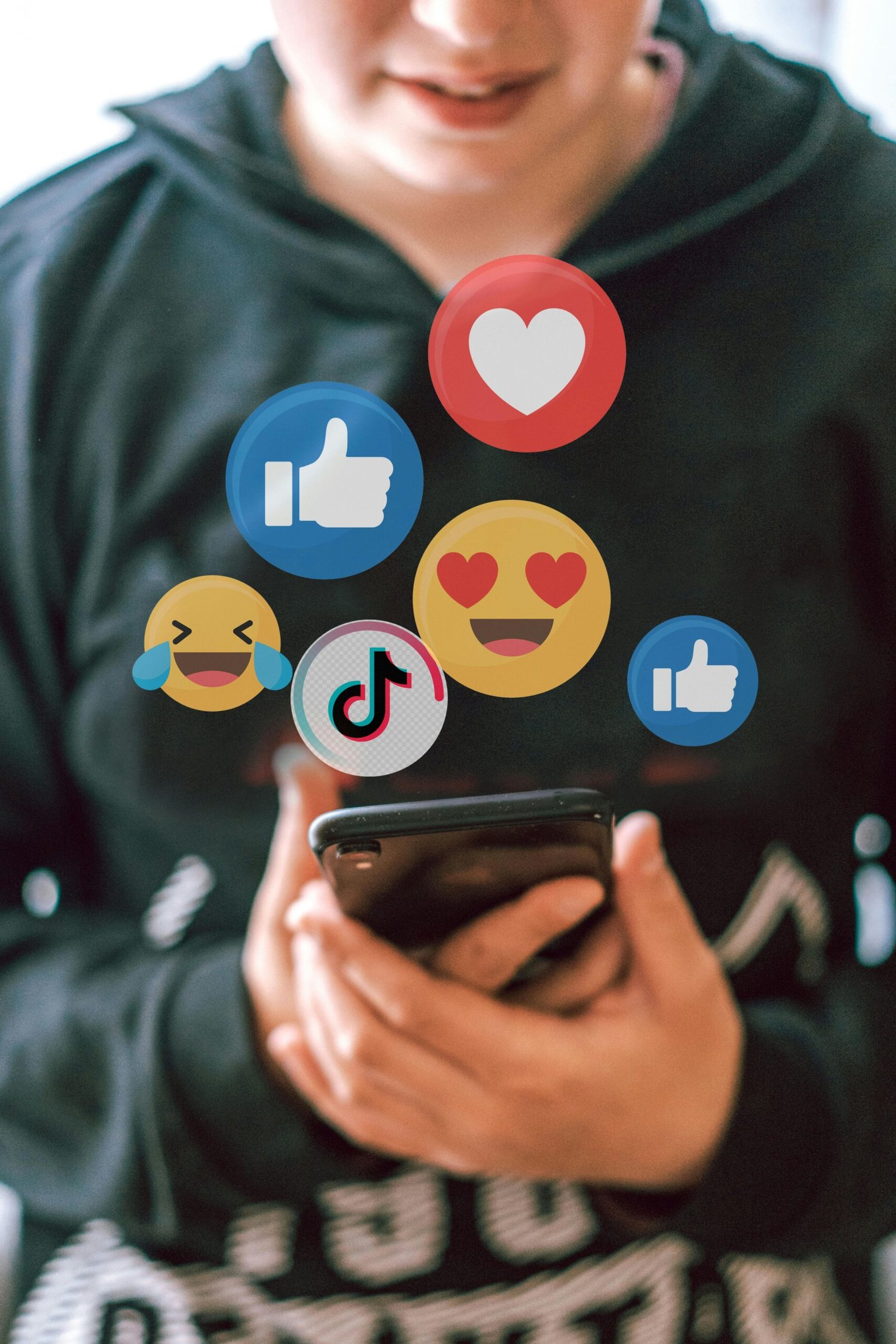
There is something almost poetic about the way we interact with social media today. We scroll, we pause, we react—sometimes consciously, often instinctively. Behind this seamless experience lies an invisible force shaping what we see: the algorithm.
For many marketers, algorithms feel like gatekeepers—complex, ever-changing systems that determine visibility and success.
Entire strategies are built around understanding them, predicting them, and sometimes even trying to outsmart them. But in this pursuit, there is a risk of forgetting something essential: algorithms are designed to serve human behavior, not replace it.
I remember a time when a campaign I worked on was meticulously optimized for an algorithm. Every element was designed to maximize reach—timing, hashtags, formatting.
The results were impressive at first. High impressions, increased visibility. Yet, something was missing. Engagement felt shallow. Conversations were rare. It was as if we had reached people, but not truly connected with them.
That experience revealed a deeper truth: visibility without authenticity is fleeting.
Understanding the Purpose of Algorithms
To work effectively with algorithms, we must first understand their purpose. Social media platforms are not merely distribution channels; they are ecosystems designed to keep users engaged.
Algorithms prioritize content that people find meaningful—content that sparks interaction, emotion, and relevance.
This means that while the mechanics of algorithms may change, their core objective remains constant: to deliver value to users.
When marketers align with this objective, they stop seeing algorithms as obstacles and begin to view them as partners in delivering meaningful content.
The Temptation of Optimization
Optimization is a natural part of digital marketing. We test headlines, adjust posting times, experiment with formats.
These practices are valuable, but they can become limiting when they overshadow creativity and authenticity.
The temptation is to create content that fits the algorithm rather than content that resonates with people. This often leads to repetitive, formulaic posts—content that may perform temporarily but lacks depth.
In one instance, I observed a brand that replicated a viral format repeatedly. Initially, engagement soared. But over time, the audience grew fatigued. The content became predictable, and the connection weakened.
The lesson was clear: algorithms reward relevance, but audiences crave authenticity
Human-Centered Content in an Algorithm-Driven World
To maintain the human touch, content must be created with people in mind, not just systems. This involves:
- Understanding your audience deeply: Their interests, emotions, and context
- Creating meaningful narratives: Stories that reflect real experiences
- Encouraging genuine interaction: Conversations, not just reactions
When content resonates on a human level, it naturally aligns with algorithmic priorities. Engagement becomes organic rather than forced.
A campaign I worked on for a creative brand exemplified this approach. Instead of focusing on trends, we shared behind-the-scenes stories, creative processes, and personal reflections.
The content was simple, yet authentic. Engagement grew steadily, not in spikes, but in sustained connection.
Balancing Strategy and Authenticity
The challenge in social media marketing is finding the balance between strategy and authenticity. Algorithms provide guidelines, but they should not dictate the entire creative process.
Think of algorithms as a rhythm—something to move with, not against. But the dance itself, the expression, must come from a place of genuine creativity and intention.
This balance allows marketers to create content that is both visible and meaningful. It ensures that while strategies evolve, the core connection with the audience remains intact.
The Risk of Losing the Human Voice
One of the greatest risks in algorithm-driven marketing is the loss of a distinct voice. When brands focus too heavily on optimization, they may begin to sound similar—echoing trends, mimicking formats, and losing individuality.
A strong brand voice is what differentiates one message from another. It is what makes content recognizable, relatable, and memorable. Without it, even the most optimized content can feel hollow.
Preserving this voice requires intentional effort. It means prioritizing clarity, authenticity, and consistency, even when trends suggest otherwise.
Timeless Principles for Social Media Marketing
To create social media strategies that endure, consider these principles:
- Create for People First: Algorithms follow human behavior, not the other way around.
- Prioritize Authenticity: Genuine content builds lasting connections.
- Engage, Don’t Just Broadcast: Social media is a conversation, not a one-way channel.
- Adapt Without Losing Identity: Embrace new formats while maintaining your voice.
- Think Beyond Metrics: Focus on relationships, not just reach.
Reflection: Algorithms Across Time
Imagine a future where social media platforms have evolved into forms we cannot yet imagine. The algorithms may be more advanced, more intuitive, perhaps even integrated into everyday experiences.
Yet, the fundamental principle will remain: content that resonates with people will always rise.
A marketer in 2126 may not recognize today’s platforms, but they will understand the importance of authenticity, connection, and meaningful engagement. These are not technological principles—they are human ones.
Social media algorithms are not the enemy of creativity; they are reflections of human preference. When approached with understanding and balance, they can amplify meaningful content rather than constrain it.
The true challenge is not mastering the algorithm, but maintaining the human touch within it.
Because in the end, it is not the algorithm that remembers your content—it is the people. And when your content speaks to them with honesty, empathy, and purpose, it transcends the system that delivered it.
It becomes something more enduring: a connection that lasts beyond the scroll, beyond the platform, and perhaps, even beyond time itself.